
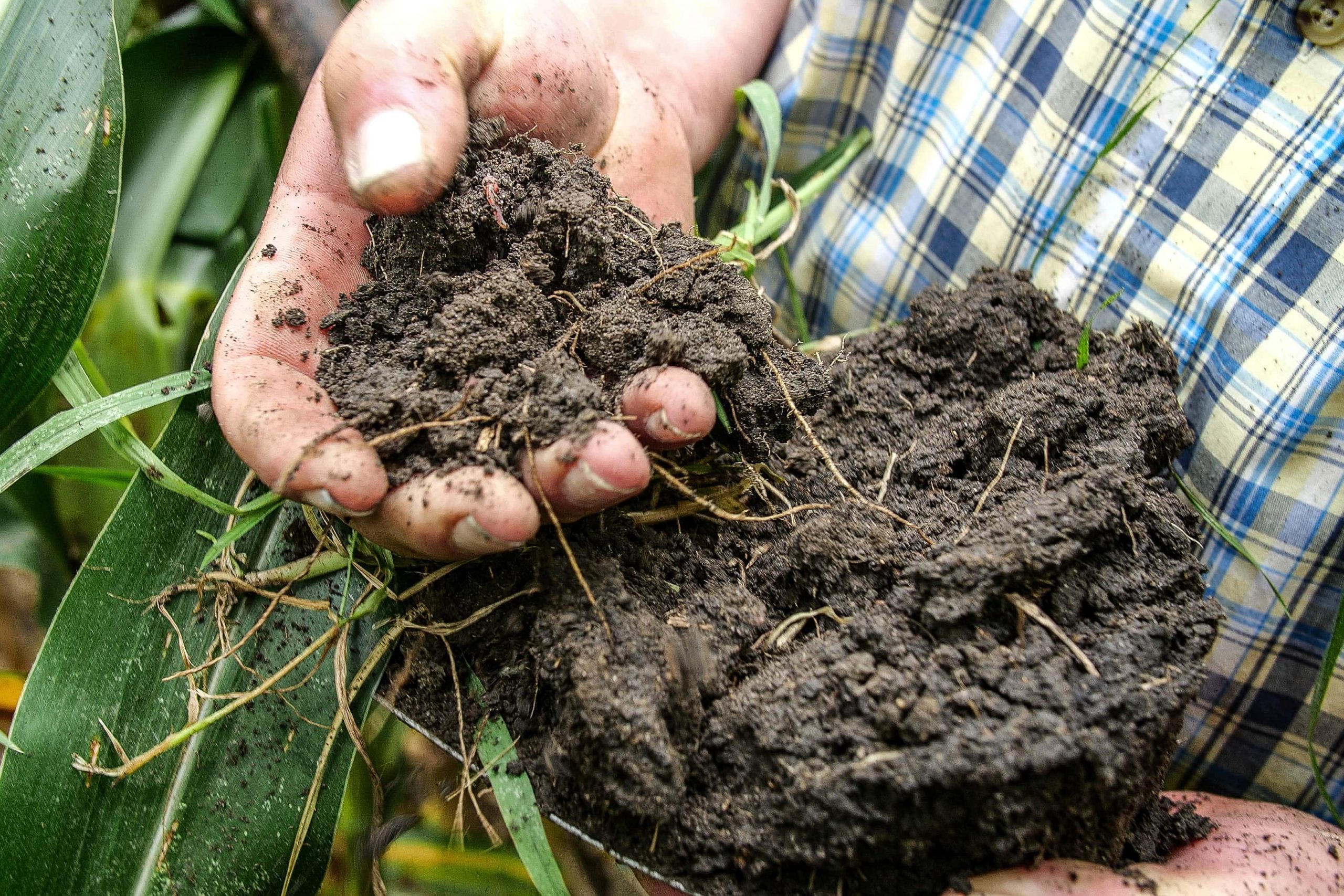
Why Soil Health Matters Now
Across the globe, agricultural exporters and input providers face a growing challenge: regulators, buyers, and farmers alike are pushing for solutions that repair—rather than deplete—the soil. Synthetic fertilizers and chemical pesticides may boost yields in the short term, but they leave behind residues, disrupt soil microbiota, and trigger compliance risks for exporters targeting markets with strict residue regulations such as the EU and North America.
The shift toward regenerative agriculture—a system that restores soil health while maintaining productivity—requires a rethink of inputs. Among nature-derived solutions, neem-based products have emerged as some of the most versatile, effective, and regulation-friendly tools for soil restoration and crop protection.
Neem and Regenerative Agriculture: The Technical Case
Neem (Azadirachta indica) is often marketed as a traditional biopesticide, but its relevance goes far beyond pest control. Each neem-derived input—from cold-pressed neem oil rich in Azadirachtin, to neem cake used as soil amendments—carries unique properties that support regenerative practices:
- Azadirachtin potency & stability: When neem oil is cold-pressed rather than solvent-extracted, it retains its full spectrum of limonoids, with Azadirachtin levels intact. This ensures both bio-efficacy against pests and compatibility with organic certification standards.
- Soil microbial balance: Neem cake adds organic matter while slowly releasing nutrients like nitrogen, phosphorus, and potassium. At the same time, its bioactive compounds suppress harmful soil pathogens, creating a balanced soil ecosystem.
- Residue-free compliance: Unlike synthetic pesticides, neem inputs degrade naturally without leaving harmful residues, reducing the risk of export rejection due to MRL (maximum residue limit) violations.
What Global Buyers Often Miss About Neem
Despite neem’s potential, sourcing it at scale for international supply chains isn’t straightforward. Common issues include:
- Inconsistent Azadirachtin levels: Many suppliers lack proper testing infrastructure, leading to fluctuating active ingredient concentrations. For formulators, this inconsistency can make product registration and efficacy trials difficult.
- Impurities and shelf life risks: Crude extraction methods often leave behind contaminants or accelerate oil rancidity, impacting formulation stability.
- Regulatory documentation gaps: To comply with EU organic farming standards or USDA-NOP requirements, buyers need certified traceability and residue analysis. These are often missing in bulk shipments sourced from local markets.
- One-size-fits-all supply: Some buyers require customized solutions—whether adjusting Azadirachtin concentration, oil clarity, or particle size of neem cake. Few suppliers can deliver to specification at industrial scale.
Ozone Biotech’s Approach: Precision and Compliance
At Ozone Biotech, we address these gaps with a science-driven manufacturing model:
- Controlled cold-pressing: Our extraction methods preserve the natural integrity of neem’s active compounds without chemical solvents.
- In-house analytical labs: Every batch is tested for Azadirachtin content, purity, and shelf life stability. This ensures consistency, a key factor for formulators and compliance officers.
- Regulatory readiness: We provide COAs, residue reports, and organic certification support aligned with EU, USDA, and Asian export requirements.
- Customization capabilities: Whether a distributor requires neem oil standardized at specific Azadirachtin percentages, or a soil amendment with a defined nutrient profile, we deliver tailor-made batches that integrate seamlessly into B2B formulations.
This approach not only safeguards compliance but also supports the broader vision of regenerative agriculture—where inputs do more than protect crops; they restore the ecological foundation of farming.
The Bigger Picture: Neem as a Market Driver
Global demand for organic biopesticides is projected to grow at double-digit rates over the next decade. Exporters and agri brands that align with this shift today will capture both compliance advantages and consumer trust tomorrow.
Neem-based inputs offer a rare dual advantage:
- Agronomic performance (effective pest management, soil health restoration)
- Regulatory safety (organic certification, residue compliance, alignment with regenerative farming trends)
For B2B buyers, the question is not whether to integrate neem—but how to secure a reliable, compliant, and customized supply.
Conclusion & Next Steps
As agriculture moves toward sustainability and compliance-driven markets, neem stands out as a proven, scalable tool for soil health restoration and crop protection. But to unlock its full potential, sourcing must be precise, consistent, and aligned with international regulatory standards.
At Ozone Biotech, we make that possible.
Next steps for B2B buyers:
- Request a technical product sheet or sample to evaluate our neem oil, neem cake, or neem-based biopesticide inputs.
- Book a QC consultation with our lab team to see how we ensure Azadirachtin consistency.
- Ask us about customization for your specific crop, market, or regulatory need.


