
Organic farming is no longer just a trend; it’s an essential movement shaped by growing consumer awareness around health and environmental impact. The demand for organic produce has skyrocketed, and with it, the need for farms to gain organic certification. Among the many tools available to help farmers meet these standards, neem oil stands out as a crucial, sustainable solution.
Neem oil, extracted from the seeds of the neem tree (Azadirachta indica), has been a staple in agriculture for centuries, particularly in India. Today, it plays a vital role in organic farming as a natural pesticide and fungicide, making it indispensable for farmers seeking sustainable pest management. It is especially valuable for those looking to meet the rigorous demands of organic certification.
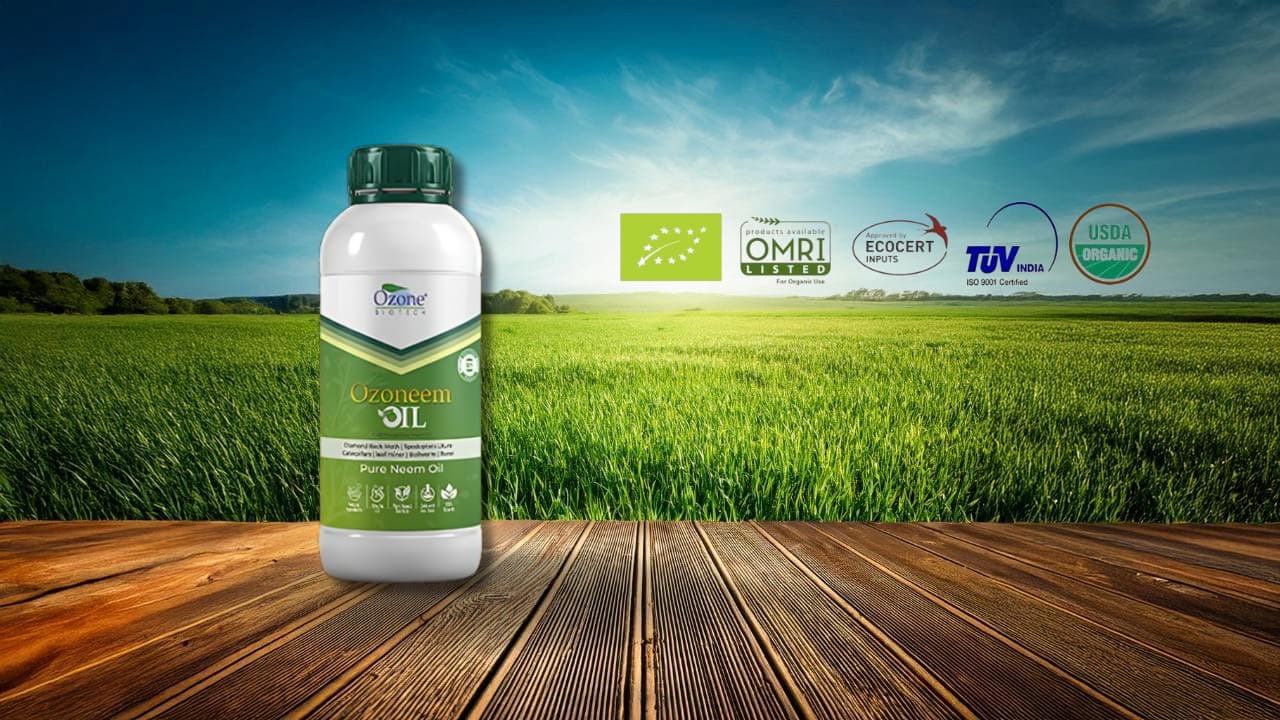
In this blog, we’ll explore how neem oil contributes to achieving organic certification, why it’s considered a key ingredient for sustainable farms, and how it fits into the broader landscape of organic agriculture. We’ll also highlight Ozoneem Oil, our premium neem oil product that’s tailor-made for organic farming.
The Importance of Organic Certification
Before delving into neem oil’s role in organic farming, it’s crucial to understand the importance of organic certification. This certification ensures that the food and agricultural products you grow comply with strict, government-approved standards. These standards typically ban the use of synthetic pesticides, chemical fertilizers, and genetically modified organisms (GMOs), requiring natural inputs that promote environmental sustainability.
Farmers aiming for organic certification must use approved inputs like compost, bio-fertilizers, and natural pest control solutions. This is where neem oil proves its worth.
What is Neem Oil?
Neem oil, derived from the seeds of the neem tree, is renowned for its antibacterial, antifungal, and insecticidal properties. It is an all-natural substance that fits seamlessly into organic farming practices. Farmers use neem oil primarily for its ability to act as a natural pesticide and fungicide, protecting crops from pests and diseases without harming the soil, water, or beneficial insects.
Neem Oil’s Role in Organic Certification
For farms to achieve organic certification, they must strictly adhere to guidelines that prohibit synthetic inputs. Neem oil meets these requirements and helps farmers in several key ways:
1. Natural Pesticide: Neem oil acts as a powerful natural pesticide, controlling a wide range of pests without the harmful effects of chemical alternatives. The key compound in neem oil, azadirachtin, interrupts the life cycle of insects by preventing them from feeding, growing, or reproducing. This makes neem oil an effective choice for farmers aiming for organic pest management.
2. Environmentally Friendly: One of the core principles of organic farming is protecting the environment. Synthetic chemicals often pollute water sources, degrade soil quality, and harm non-target species like bees and other pollinators. Neem oil is biodegradable, breaking down naturally without leaving harmful residues, making it a safe alternative for organic farms.
3. Promotes Soil Health: Soil health is a critical factor in achieving organic certification. Neem oil helps control soil-borne pests and diseases without harming the beneficial microorganisms necessary for a healthy soil ecosystem. This ensures that farms can maintain fertile, healthy soil while meeting certification standards.
Introducing Ozoneem Oil: Your Partner in Organic Farming
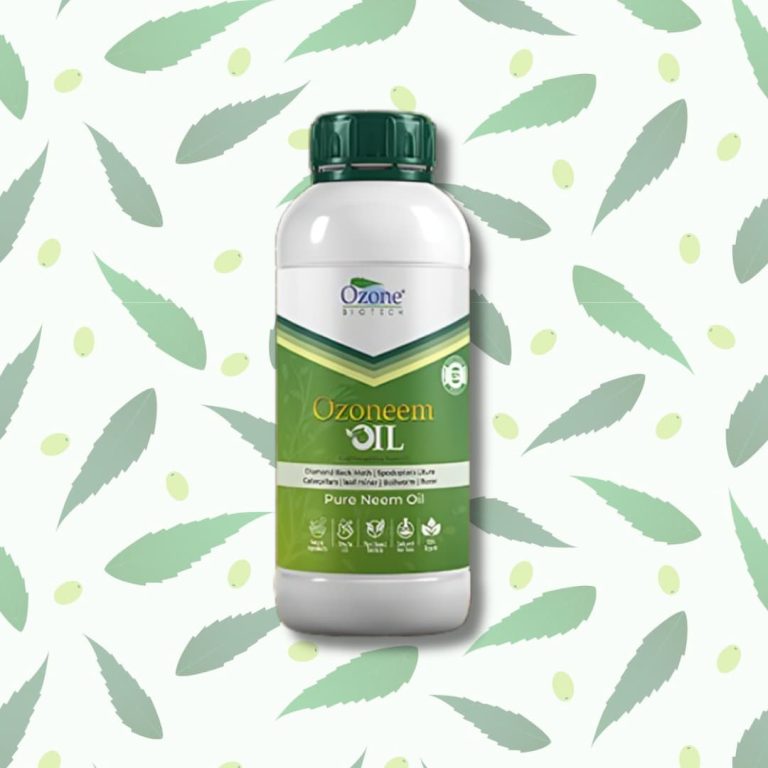
At Ozone Biotech, we are committed to providing sustainable agricultural solutions that align with organic farming practices. Our flagship product, Ozoneem Oil, is a premium-grade neem oil that farmers trust for effective pest management and disease control.
Why Choose Ozoneem Oil?
1. High Azadirachtin Content: Ozoneem Oil is rich in azadirachtin, the active compound that makes neem oil such a potent pesticide. With higher concentrations of azadirachtin, Ozoneem Oil provides more effective protection against pests, ensuring your crops stay healthy and free from infestations.
2. 100% Organic and Eco-Friendly: Our neem oil is 100% organic, meeting the stringent requirements for use in organic certified farms. It is cold-pressed, ensuring that all its natural properties are preserved. This makes Ozoneem Oil an ideal choice for farmers who want to adhere to organic farming standards while achieving high yields.
3. Versatility in Application: Whether you are dealing with insects, mites, or fungal diseases, Ozoneem Oil works across a wide range of crops, from vegetables and fruits to cereals and pulses. It can be easily applied as a foliar spray or used as a soil treatment, giving you flexibility in how you protect your farm.
4. Non-Toxic to Beneficial Insects: Ozoneem Oil targets harmful pests without posing risks to pollinators like bees or to natural predators like ladybugs. This selective action makes it the perfect tool for sustainable pest control that doesn’t disrupt the natural ecosystem of your farm.
The Science Behind Neem Oil: A Sustainable Solution
Neem oil’s versatility and effectiveness in organic farming stem from its rich chemical composition, especially the presence of azadirachtin.
Azadirachtin: The Key Compound: Azadirachtin disrupts the hormonal systems of pests, reducing their ability to grow and reproduce. Unlike synthetic pesticides, neem oil doesn’t kill pests outright but gradually reduces their population without harming beneficial insects like bees and butterflies.
Neem Oil as a Fungicide: In addition to being an insecticide, neem oil is also a natural fungicide. It controls common fungal diseases such as powdery mildew and rust, both of which can severely impact crop yields.
Safe for Beneficial Insects: Organic farmers value neem oil for its selective toxicity. It targets harmful pests but is safe for beneficial species like ladybugs, bees, and earthworms. This aligns perfectly with the organic farming philosophy, which seeks to enhance biodiversity rather than diminish it.
Neem Oil and Sustainability in Organic Farming
Neem oil is a key ingredient in promoting broader sustainability goals in organic farming:
1. Reducing Chemical Dependency:By providing a natural solution to pest control, neem oil allows organic farms to reduce their reliance on harmful synthetic chemicals. This aligns with the goal of minimizing environmental degradation and protecting water sources, soil, and air from contamination.
2. Supporting Biodiversity: One of the great benefits of neem oil is its role in supporting farm biodiversity. By selectively targeting pests, neem oil preserves populations of beneficial insects and other wildlife, which are essential for a thriving, balanced ecosystem.
3. Empowering Small-Scale Farmers:For small-scale farmers, neem oil offers an affordable and accessible solution to pest and disease management. Because neem oil is often locally available in neem-growing regions, it provides an economical alternative to costly synthetic pesticides.
The Future of Neem Oil in Organic Farming
As global interest in organic produce continues to grow, neem oil’s role in organic farming is set to expand. Research into the broader applications of neem oil, such as its use as a biofertilizer and its ability to complement other natural pest management strategies, will likely increase its relevance in sustainable agriculture.
Conclusion: Neem Oil—A Pillar of Organic and Sustainable Farming
Neem oil is not just a tool for pest management—it’s a symbol of organic farming’s commitment to sustainability. By offering a natural, biodegradable, and eco-friendly solution to pest and disease control, neem oil helps farmers meet organic certification standards while safeguarding the environment.
For farmers aiming to maintain their organic integrity and minimize their environmental impact, neem oil is more than just a product; it’s an investment in the future of farming and the health of the planet.
By incorporating neem oil into organic farming practices, farmers not only protect their crops from harmful pests but also contribute to a healthier, more sustainable food system. If you’re looking for a trusted, high-quality neem oil product, Ozoneem Oil is your answer—helping you pave the way toward successful organic certification and long-term sustainability.


